
Custom Tote Bags for Brands, Wholesalers and Online Sellers
A practical guide to custom tote bags for brands, wholesalers, online sellers and promotional gift buyers.
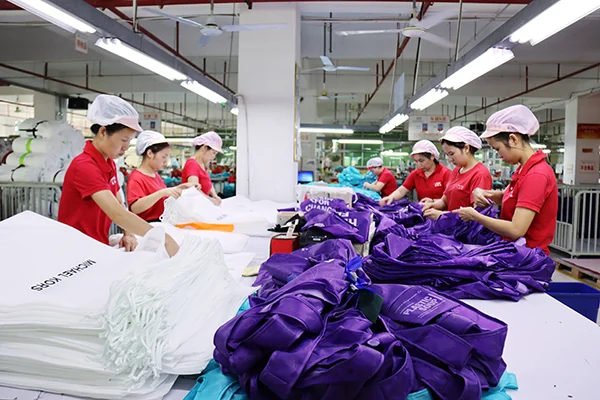
Custom tote bags are popular because they are simple, useful and flexible. They can be used for retail brands, events, corporate gifts, online stores, wholesale programs and private label launches. A tote bag can look easy, but the final result still depends on fabric, weight, size, handle, logo method, closure and packing.
JinCraft Bags supports custom tote bag sourcing and sample discussion for global buyers who need realistic options from China.
Choose the Tote Bag Structure
The first decision is structure. A flat tote is simple and light. A gusseted tote holds more volume. A zipper tote feels more secure. A lined tote looks more finished. A foldable tote may suit promotional or travel use. Each structure changes material use and sewing cost.
Buyers should decide whether the tote is for daily retail, grocery shopping, fashion, events, packaging, school, travel or corporate gifting. The use case affects the required strength and target price.
Review Material and Fabric Weight
Canvas is a common choice for tote bags, but not all canvas is the same. Fabric weight affects cost, hand feel and durability. Polyester canvas, nylon, PU and non-woven fabric can also be used depending on market and price. Natural cotton canvas may suit brand merchandise, while polyester or non-woven materials may suit promotional projects.
If the buyer needs a specific color, the team should check current stock first. Custom dyeing may require higher MOQ.
Select the Logo Method
Screen printing is common for tote bags because the panels are flat and logo placement is straightforward. Embroidery can create a premium look but may cost more. Woven labels, hang tags and inside labels are useful for private label programs. Buyers should send vector artwork and specify logo size and position.
For promotional buyers, a simple one-color print may be enough. For retail brands, the logo method should match brand positioning and expected shelf price.
Think About Packing and Cartons
Tote bags may be packed flat, folded, individually polybagged or bundled. Export carton details matter for shipping cost and warehouse handling. If the tote is sold online, buyers may need cleaner individual packing. If it is for events, bulk packing may be acceptable.
A sourcing partner can help review packing direction before production so the order is easier to prepare for shipment.
Start With a Clear Inquiry
Send the tote style, quantity, target market, material preference, size, handle length, logo artwork, target price and timeline. If you have a reference image, include front, side, inside and detail views. That will help the team check whether ready-style sourcing, logo customization or sample development is the best route.
Plan the Tote Around Real Use
A tote bag for books, groceries, cosmetics, clothing packaging and corporate gifts may look similar online, but the construction needs can be different. A grocery tote needs strength and capacity. A retail brand tote may need better fabric feel and cleaner finishing. A gift tote may focus on logo visibility and controlled cost.
Before asking for price, define the job of the tote. Include expected load, size, handle comfort, closure needs and whether the customer will reuse it regularly. These practical details help choose fabric weight, stitching, lining and handle structure.
Balance Customization With MOQ
Tote bags can often support flexible customization, but every added detail changes the project. Custom dyed fabric, zipper closure, lining, inside pocket, embroidered logo, woven label and retail packing can make the product stronger, yet they may also increase MOQ and sample time.
For small brands and online sellers, a staged route can work well. Start with a clean reference style, available fabric and one logo method. After the market response is clear, the next batch can add upgraded material, better packing or more private label details.
Prepare Artwork and Packing Before Sampling
For tote bags, sampling is more useful when the logo and packing direction are already clear. A blank tote sample can confirm fabric and size, but it does not show how the brand will look in the customer’s hands. If logo placement, print size or label position matters, include those details early.
Packing should also be reviewed before the order moves too far. Online sellers may need individual polybags or barcode labels. Event buyers may prefer bulk packing. Wholesale buyers may need carton information for freight planning. These choices should be part of the quote discussion, not an afterthought.
Think About Freight and Storage
Tote bags are often lightweight, but carton volume can still matter. Large handles, stiff fabric, structured bottoms or individual packing can increase carton size. For importers and wholesalers, this can affect sea freight, air freight, warehouse space and final landed cost.
Ask for carton information once the packing direction is clear. Carton quantity, gross weight and dimensions help the buyer estimate shipping and compare sourcing options more accurately. A good tote project is not only about the bag itself; it is also about how the order arrives and how it will be handled after delivery.
Need Help With a Bag Project?
JinCraft Bags supports global buyers with bag category sourcing, OEM/ODM coordination, sample follow-up, QC points, packing preparation and clear communication. Send your bag type, quantity, target market, reference images and logo needs through Get a Quote.