
Quality Control Checklist for Bag Orders
A practical quality control checklist for bag orders, covering material, stitching, zipper, hardware, logo, size, cleaning, packing and shipment photos.
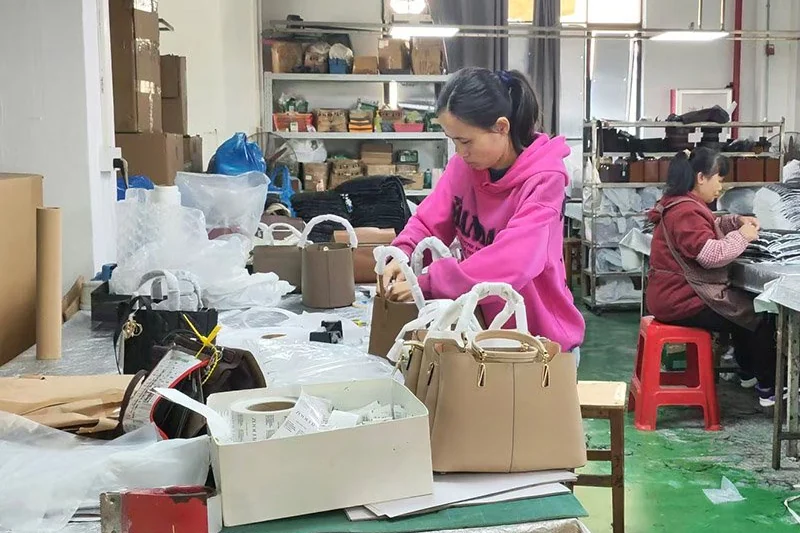
Quality control for bag orders should be practical and visible. A buyer does not need to inspect every technical detail personally, but the main risk points should be checked before packing and shipment whenever possible. Bags have many parts: fabric, lining, zipper, hardware, stitching, straps, logo, shape and packing. A problem in one area can affect the whole order.
This checklist is written for global buyers sourcing custom bags from China. It can be used for tote bags, laptop bags, backpacks, cosmetic bags, crossbody bags and travel bags.
Material and Color Check
Confirm that the bulk material matches the approved sample or confirmed material direction. Check color under neutral lighting when possible. Fabric texture, coating, thickness and lining should be reviewed because photos can make similar materials look identical.
If the project uses available stock material, confirm the final available color before bulk production. If it uses custom color matching, review the sample carefully before approval.
Stitching and Stress Points
Stitching should be even, secure and suitable for the bag use. Stress points such as handles, shoulder straps, side seams, bottom corners and backpack straps need extra attention. Loose threads, skipped stitches or weak reinforcement can cause customer complaints.
For heavier bags such as backpacks and travel bags, stress point checking is especially important.
Zipper and Hardware
Zippers should open and close smoothly. Pullers, buckles, hooks, rings, sliders and magnetic closures should be checked for function and finish. Hardware color should match the approved direction. Sharp edges, weak plating or loose parts should be flagged before packing.
If the bag is for travel, work or school use, zipper quality can strongly affect the buyer experience.
Logo Position and Size
Logo position, size, color and method should match the approved sample or artwork confirmation. Printing should be clean, embroidery should not distort the fabric, woven labels should be straight, and rubber patches should be securely attached.
Logo mistakes are costly because they directly affect brand presentation. Buyers should confirm artwork before sampling and review the logo carefully on the sample.
Size, Shape and Cleaning
Check the general size and shape against approved measurements or reference sample. Soft bags may have tolerance, but the result should still match the intended use. Surface cleaning is also important. Dust, glue marks, thread ends and wrinkles should be reduced before packing.
For product photos before shipment, ask for views that show front, back, side, inside, logo and packing when available.
Packing and Carton Check
Packing should match the buyer requirement. Check polybags, labels, hang tags, inserts, carton marks, carton quantity, carton size and gross weight. Incorrect packing can create warehouse, shipping or retail problems even when the bag itself is acceptable.
JinCraft Bags can help organize QC check points and packing preparation notes as part of production support. The goal is not to promise unrealistic inspection coverage, but to keep the important details visible and clear.
Set Inspection Priorities Before Production Finishes
QC works best when the buyer decides the most important points before production is packed. A promotional tote may focus on print position and packing count. A laptop bag may focus on padding, zipper, laptop compartment size and strap strength. A cosmetic pouch may focus on zipper smoothness, lining cleanliness and logo presentation.
Not every project needs the same inspection depth. The buyer should identify the details that affect sales, customer complaints and shipment handling. Those points can then be checked through sample approval, production follow-up and reference photos when available.
Use Photos as Communication, Not a Full Guarantee
Reference photos before shipment can help buyers see material, logo, packing and carton details, but photos are not the same as a full third-party inspection. They are useful for communication and early issue spotting, especially when the buyer cannot visit the production site.
For higher-value or stricter orders, buyers may still choose a formal inspection service. JinCraft Bags can help organize practical QC points and packing notes, while keeping the scope realistic. The goal is clear follow-up, fewer surprises and better preparation before shipment.
Keep a Record of Approved Details
A simple approval record can prevent many problems. Save the approved sample photos, material notes, logo artwork, measurements, packing method and carton information in one place. When production questions appear, both buyer and sourcing contact can return to the same reference instead of relying on memory.
This record is also useful for repeat orders. If the buyer wants the same bag again, confirmed details make it easier to compare whether material, color, logo and packing remain consistent. For custom bags, good records are part of quality control.
Review Packing Before the Last Day
Packing issues are easier to fix before cartons are sealed. If labels, hang tags, polybags, inserts or carton marks are important, ask for confirmation during packing preparation instead of waiting until shipment booking. This keeps the final step calmer and gives the team more time to correct obvious mistakes.
Need Help With a Bag Project?
JinCraft Bags supports global buyers with bag category sourcing, OEM/ODM coordination, sample follow-up, QC points, packing preparation and clear communication. Send your bag type, quantity, target market, reference images and logo needs through Get a Quote.