
Common Bag Materials: PU, Canvas, Nylon, Polyester Explained
A buyer-friendly overview of PU, canvas, nylon and polyester for custom bags, including use cases, trade-offs and quotation tips.
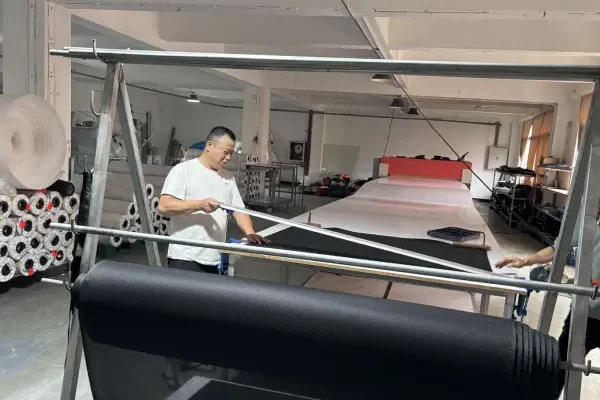
Material choice shapes the look, price, weight, structure and customer experience of a bag. When buyers ask for a custom tote, backpack, cosmetic pouch or travel bag, the first question is often not the logo. It is whether the material direction matches the target market and expected price point.
This guide explains four common materials used in custom bag projects: PU, canvas, nylon and polyester. The best material depends on bag type, use case, quality level, MOQ, logo method and packing plan.
PU
PU is often used for fashion bags, business bags, shoulder bags, cosmetic pouches and certain laptop bag styles. It can create a cleaner, more structured look than soft fabric, and it works well for buyers who want a polished private label appearance. PU can vary widely in texture, thickness, backing and durability, so buyers should review samples before bulk order.
Logo methods for PU may include embossing, debossing, metal plates, rubber patches, woven labels or certain printing methods depending on the surface. PU colors and textures are usually confirmed from available material stock unless the quantity supports special material development.
Canvas
Canvas is common for tote bags, casual pouches, promotional bags and brand merchandise. It can feel natural, strong and easy to print. Buyers should pay attention to fabric weight, weaving, shrinkage, color and whether the bag needs lining or zipper closure. A lightweight canvas tote and a heavy structured canvas tote can look similar in photos but feel very different in hand.
Canvas is popular for screen printing and embroidery. Natural canvas colors may be easier to source than fully custom dyed colors. If color matching is important, the buyer should send Pantone references and confirm MOQ.
Nylon
Nylon is often used for travel bags, lightweight backpacks, crossbody bags, outdoor pouches and functional designs. It can be lightweight, smooth and more technical in appearance. Nylon quality depends on denier, coating, texture and finishing. Water resistance should be confirmed carefully because “water-resistant” and “waterproof” are not the same.
Nylon can be a good choice for travel, sport and commuter products. Logo options may include woven labels, rubber patches, embroidery or printing depending on the surface.
Polyester
Polyester is one of the most flexible materials for bag sourcing. It is used in backpacks, tote bags, cosmetic bags, promotional bags, packing pouches and travel bags. Polyester can support a wide range of price levels and fabric textures, making it useful for both promotional projects and private label programs.
When reviewing polyester, buyers should confirm fabric weight, coating, lining, color, print quality and whether recycled polyester is needed. Recycled fabric may require separate confirmation and certificates depending on the buyer market.
How to Discuss Material in a Quote Request
Do not only write “good quality material.” Instead, explain the target use, target market, expected feel, budget and reference style. If you do not know the exact fabric, send a clear reference image and describe whether you want the bag to feel soft, structured, lightweight, premium, washable or low cost.
A sample-first workflow helps buyers avoid mistakes. Material swatches or sample photos can be reviewed before bulk production, and the final material should be confirmed before price, MOQ and lead time are treated as final.
Match Material to the Selling Channel
Material choice should reflect where the bag will be sold and how the customer will use it. A promotional tote for an event may need a different fabric than a private label tote sold online. A commuter backpack needs stronger fabric, padding and zipper performance than a lightweight giveaway pouch.
Buyers should share the target market and expected retail position when asking for a quote. A sourcing team can then suggest whether the project should focus on cost control, structure, durability, water resistance, appearance or packing presentation. Without that context, material recommendations can miss the real business goal.
Ask for Swatches or Sample Photos When Needed
Photos can help, but they do not always show fabric thickness, hand feel, coating or color accurately. For projects where material is important to the final product, buyers should ask whether a material swatch, close-up photo or sample review is possible before confirming bulk production.
Swatches are especially useful for PU texture, canvas weight, nylon coating, lining color and custom color matching. Even when the buyer starts from a reference image, the final material should be confirmed in a way that both sides understand before price, MOQ and lead time are treated as final.
Do Not Judge Material by Name Alone
Two bags can both be described as polyester or PU and still feel completely different. Fabric weight, coating, backing, lining, texture and finishing all affect the result. This is why a material name alone is not enough for serious sourcing discussion.
When possible, buyers should compare the material against the target price and customer expectation. A low-cost promotional project may accept simpler fabric. A private label product may need a cleaner hand feel, stronger lining and more consistent color. Material choice should support the business case, not only the photo.
Need Help With a Bag Project?
JinCraft Bags supports global buyers with bag category sourcing, OEM/ODM coordination, sample follow-up, QC points, packing preparation and clear communication. Send your bag type, quantity, target market, reference images and logo needs through Get a Quote.