
OEM vs ODM Bags: What Is the Difference?
Understand the practical difference between OEM and ODM bags, when each route makes sense, and what buyers should prepare before asking for a quote.
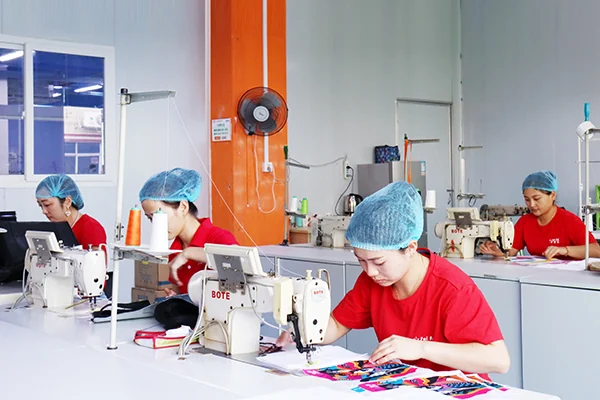
OEM and ODM are common terms in bag sourcing, but many buyers use them loosely. In real projects, the difference is less about a slogan and more about how much of the product direction already exists. A buyer who sends a complete design package, exact dimensions, material direction and logo requirements is closer to OEM. A buyer who starts from an existing reference style and asks for adjustments is closer to ODM.
JinCraft Bags supports both types of discussion through China bag sourcing, sample follow-up and OEM/ODM coordination. The goal is to help buyers choose a realistic route based on quantity, budget, timeline and customization level.
What OEM Means for Bag Orders
OEM usually means the buyer has a more specific product idea. The buyer may provide drawings, a tech pack, physical sample, detailed measurements, logo files, material request and packing direction. The production team follows the buyer specification as closely as possible, then sample review is used to refine the final product.
OEM can be useful for private label brands and importers with a clear product line. It may require more time because details such as pattern development, material matching, hardware selection and sample adjustments must be confirmed before bulk production.
What ODM Means for Bag Orders
ODM usually starts from an existing or similar style. The buyer may say, “I need something like this tote bag, but with my logo, a different zipper and private label packing.” This can be faster when the basic structure is already available through supply resources. It can also be better for small brands testing a new market.
ODM does not mean every change is easy. Material color, logo method, hardware, size and packaging still affect MOQ, price and lead time. The final product should be confirmed through sample review.
Which Route Should You Choose?
Choose OEM when you need a product that closely follows your own design and you can support the development time, sample cost and MOQ. Choose ODM when you want to start from a reference style and adjust it for your brand or market. Many real projects sit between the two: the buyer begins from a reference product but requests enough changes that the project needs structured development.
A clear inquiry helps avoid confusion. Send reference images, required changes, quantity, target market, logo files, material preference and target price range. Then a sourcing contact can explain whether OEM, ODM or ready-style sourcing is the practical path.
Why Claims Should Stay Realistic
Some websites present every bag project as if one company directly owns every production step. That can be misleading when the real work involves multiple supply resources, sample rooms, logo vendors, packing support and shipment coordination. A more practical approach is to explain the actual role: sourcing support, sample follow-up, OEM/ODM communication, QC points and packing preparation.
That is the approach JinCraft Bags uses. Gavin is the main English communication contact, but the work is positioned as a team-based support process rather than a one-person retail shop or an exaggerated large owned-production claim.
When OEM Makes Sense
OEM is usually the better route when the buyer already has a clear product direction. This may include a physical sample, tech pack, size chart, logo artwork, material standard, pocket layout and packaging requirement. The more precise the file is, the easier it is to review cost, sample time and production risks.
OEM also fits buyers who need consistency across repeated orders. Once the sample is approved, the confirmed details should be recorded clearly: fabric, lining, zipper, hardware, dimensions, logo position, packing method and carton information. Those notes help reduce confusion when the order is repeated months later.
When ODM Is the Practical Starting Point
ODM can be more efficient when the buyer has a target market but not a finished design. A buyer may like an existing backpack shape, a tote bag material or a cosmetic pouch structure and then adjust color, logo, pocket layout or packaging. This approach can reduce sampling time and lower development risk.
ODM does not mean every reference style is available without confirmation. Material stock, supplier schedule, logo method and MOQ still need to be checked. Buyers should treat ODM as a practical development shortcut, not as a guarantee that an exact image can be copied or shipped immediately.
Questions to Ask Before Choosing a Route
Before deciding between OEM and ODM, ask three practical questions. Do you have a fixed design that must be followed closely? Are you flexible on material, size or structure? Do you need a fast market test or a long-term private label product? The answers usually reveal which path is more efficient.
A buyer with strict specifications should prepare files carefully and expect sample review. A buyer who mainly needs a sellable bag style can often start from ODM-style sourcing and customize visible details. Either way, quotation should not be treated as final until material, logo, MOQ and packing are confirmed.
Need Help With a Bag Project?
JinCraft Bags supports global buyers with bag category sourcing, OEM/ODM coordination, sample follow-up, QC points, packing preparation and clear communication. Send your bag type, quantity, target market, reference images and logo needs through Get a Quote.