
How to Source Custom Bags from China
A practical guide for global buyers preparing custom bags from China, including reference images, MOQ, materials, samples, QC points and quote preparation.
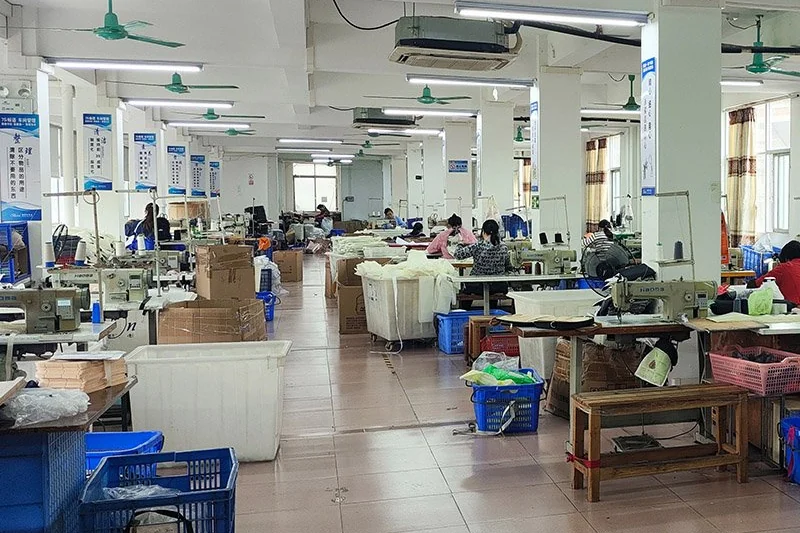
Sourcing custom bags from China can be straightforward when the project is organized, but it becomes slow when the buyer and supplier are guessing at the same time. Many overseas buyers start with a reference image, a product link or a rough idea. That is enough to begin a discussion, but it is not enough for a reliable quote. A practical quote needs details about the bag type, material, size, logo method, quantity, target market and packing expectation.
JinCraft Bags works as a China-based bag sourcing and custom bag support team. The role is to help global buyers source, sample, customize and prepare bag orders through practical supply resources and production teams. This guide explains how to prepare a smoother project before you request a quotation.
Make the Project Clear Before Asking for Price
Bag sourcing works better when the buyer explains the target market, expected quality level, reference style, estimated quantity and must-have details. A bag is not only a shape. Material weight, lining, zipper, hardware, strap, stitch density, logo method and packing all change the cost and lead time. When a buyer only asks for the lowest price, suppliers may quote different assumptions and the comparison becomes confusing.
A stronger first inquiry includes the bag type, use case, target market, quantity range, reference image or product link, material preference, logo needs, packaging needs and timeline. That information helps a sourcing contact review whether ready-style sourcing, small adjustments, sample development or full OEM/ODM work is realistic.
Use Reference Images Carefully
Reference images are useful, but they should not be treated as proof that the exact product is available. Many B2B bag projects start with a similar style and then adjust size, material, color, logo and packing. If the image comes from a marketplace, supplier catalog or previous project, the final availability still needs confirmation.
At JinCraft Bags, product images on the website are treated as reference styles for sourcing and customization discussion. Final material, logo method, MOQ, color availability and price are checked based on the buyer requirement and supplier availability.
Decide Whether You Need Ready-Style Sourcing or Custom Development
Some buyers need a style that is already close to their target product. In that case, the first step is to search similar ready-style options and check whether small changes are realistic. Other buyers need a special size, unique pocket layout, exclusive material or branded packaging. That moves the project closer to OEM or ODM development and usually requires more sampling time.
A sample-first workflow is useful for both routes. Even when a similar style exists, the buyer should confirm the actual material, color, zipper, logo position and packing before treating the product as ready for bulk order.
Review MOQ With the Real Customization Level
MOQ is not one fixed number for all bags. It depends on the material, logo method, color, stock availability, cutting complexity and whether the order uses existing materials or special development. Printing on available canvas may support a smaller trial quantity than a custom dyed fabric with special hardware. Embroidery, woven labels and rubber patches also have their own setup requirements.
The best way to discuss MOQ is to explain your ideal quantity and your flexibility. A sourcing team can then check whether small batch options, sample-only development or a more standard MOQ is realistic.
Check QC and Packing Before Shipment
Quality control for bag orders should focus on practical points: material and color, stitching, stress points, zipper, hardware, logo position, size, shape, surface cleaning, polybag and carton packing. When available, reference photos before shipment can help buyers confirm the visible details before goods move.
Packing also matters for wholesale and eCommerce buyers. Carton size, carton weight, labels, inserts and polybags should be discussed before shipment, not after production is finished.
Confirm the Commercial Details Early
After a style looks possible, move from general discussion to commercial details. Ask whether the quotation is based on existing material, available color, standard packing and a basic logo method, or whether it includes special material development, custom dyeing, new hardware or custom retail packaging. These details decide whether two quotes are truly comparable.
For overseas buyers, it is also useful to ask for packing information early. Carton size, carton quantity, gross weight and packing method affect shipping cost and warehouse handling. A low unit price can become less attractive if the packing creates higher freight cost or more work after arrival.
Keep the First Order Realistic
A first custom bag order should usually prove the style, quality level, logo method and selling channel before the buyer commits to a large repeat plan. This does not mean every order can be very small. It means the buyer should review a practical starting quantity and understand what flexibility is possible with available materials.
When the first order is successful, the next round can improve details such as custom color, upgraded packaging, better lining, extra accessories or a more premium logo method. This staged approach is often safer for small brands, online sellers and importers entering a new bag category.
Need Help With a Bag Project?
JinCraft Bags supports global buyers with bag category sourcing, OEM/ODM coordination, sample follow-up, QC points, packing preparation and clear communication. Send your bag type, quantity, target market, reference images and logo needs through Get a Quote.